Overview
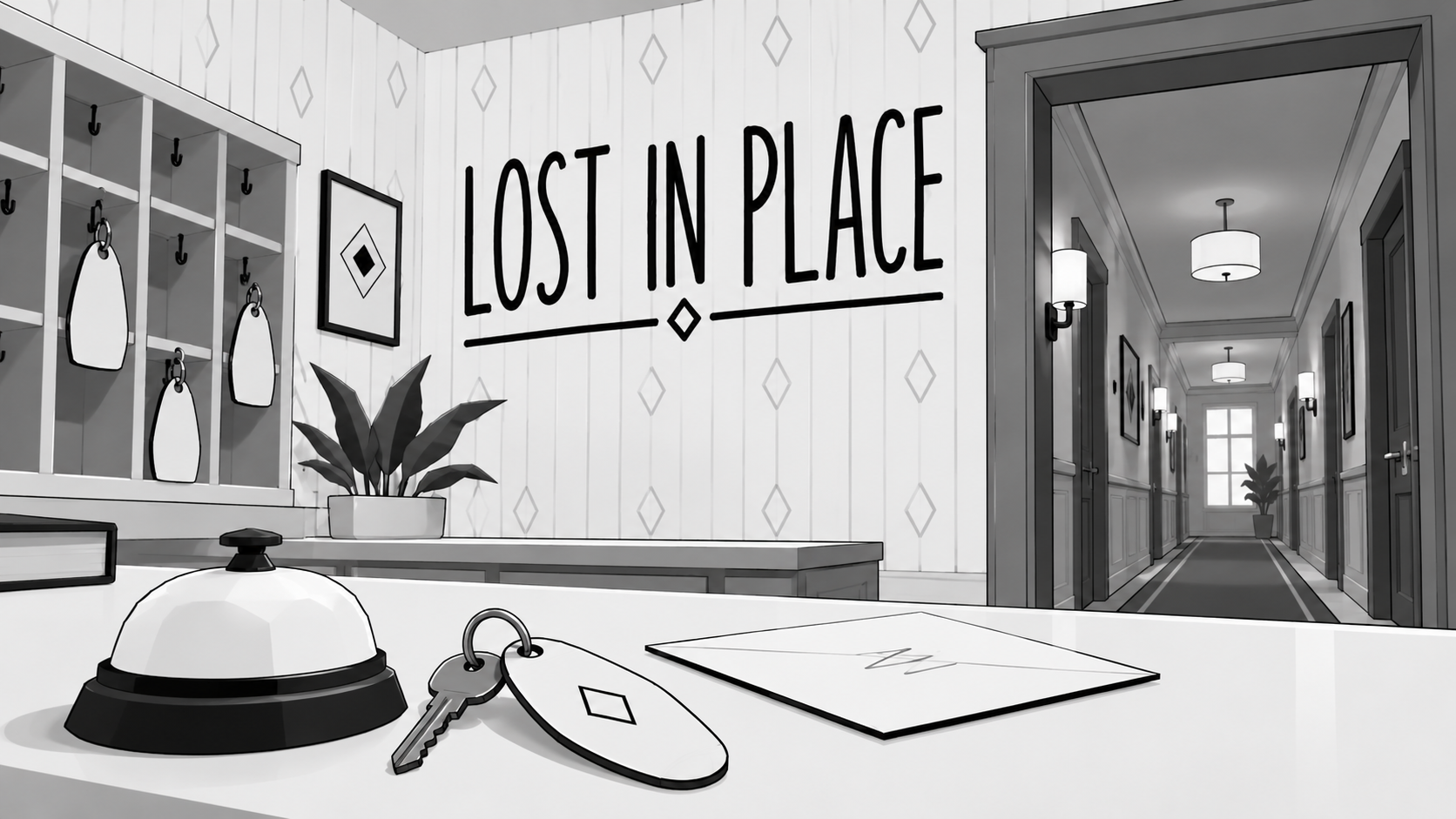
Lost in Place is a first-person exploration and puzzle game where the layout of the building is part of the puzzle. You explore a collection of rooms, search for clues and collect objects that help you progress. Using a tablet, you can move rooms around a floor plan and line up their doorways, changing the paths you can walk through.
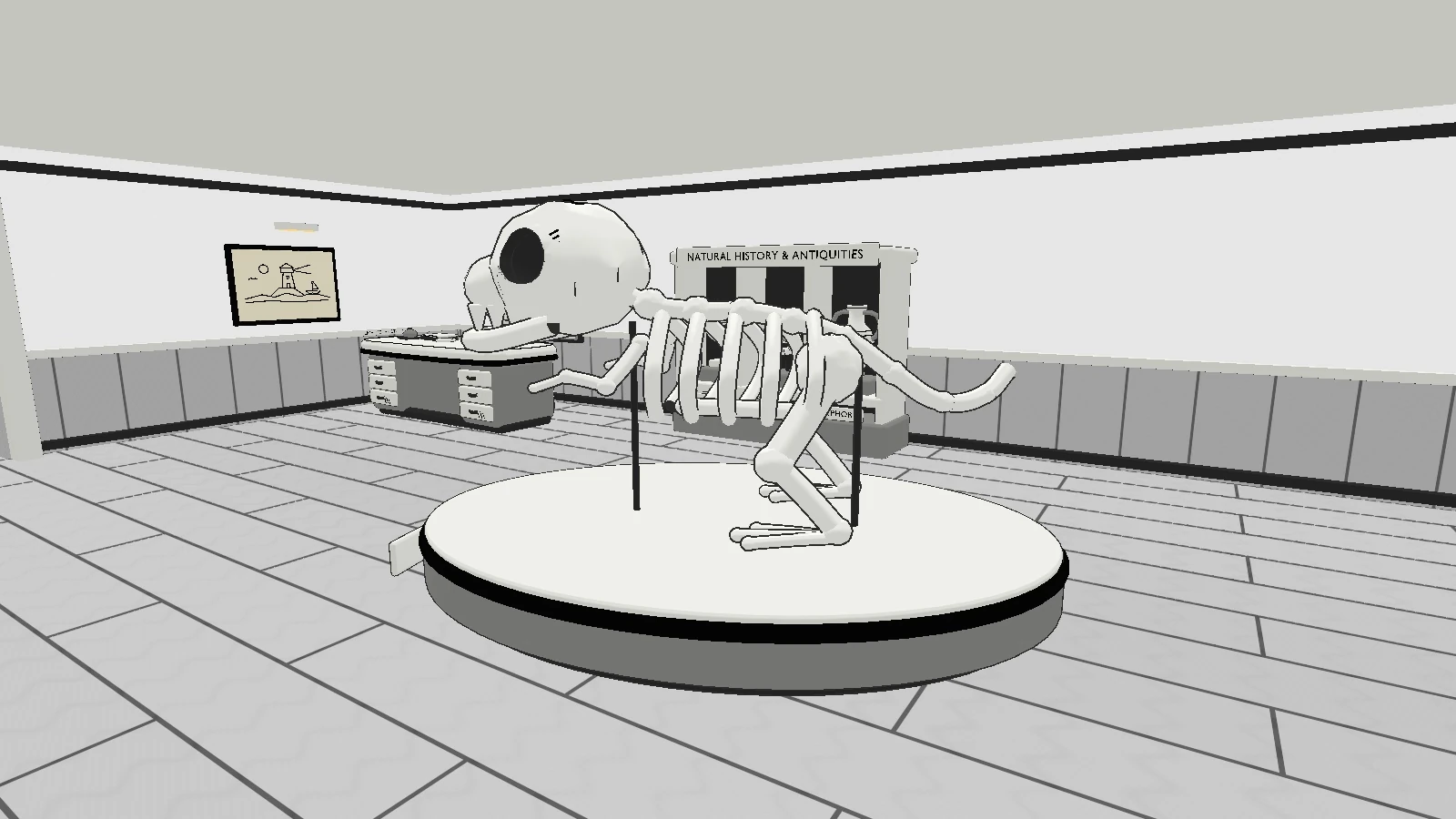
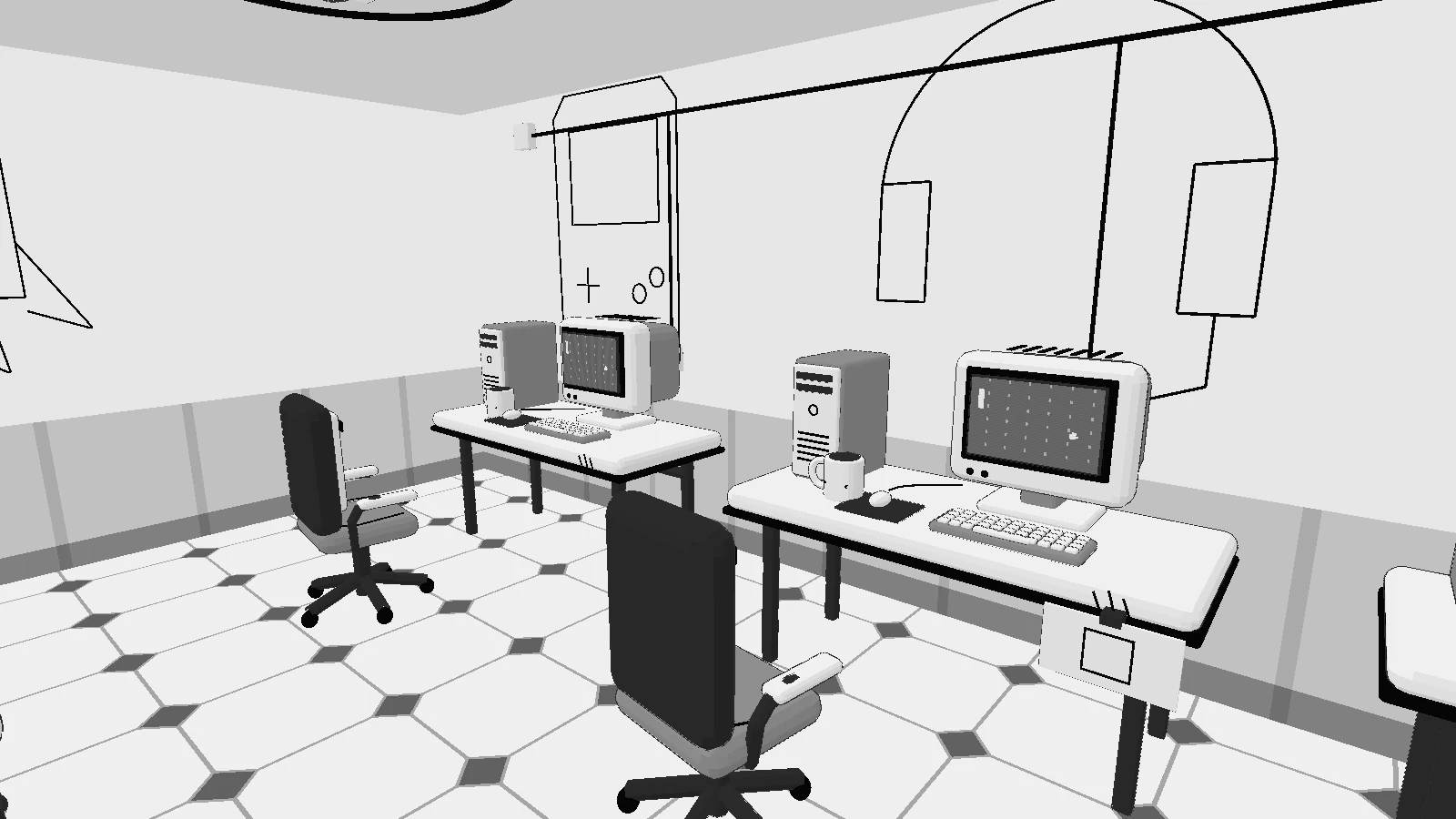
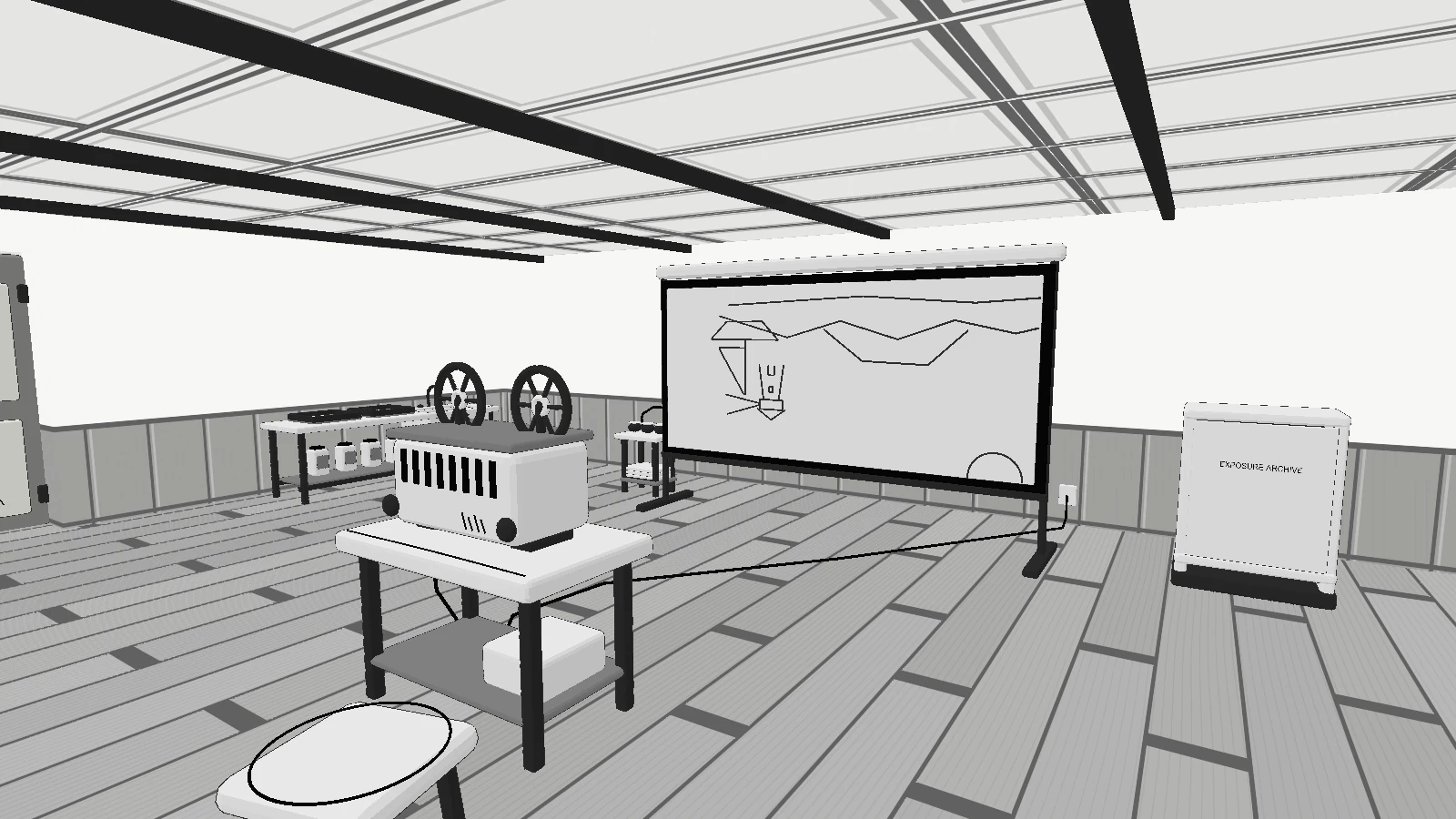
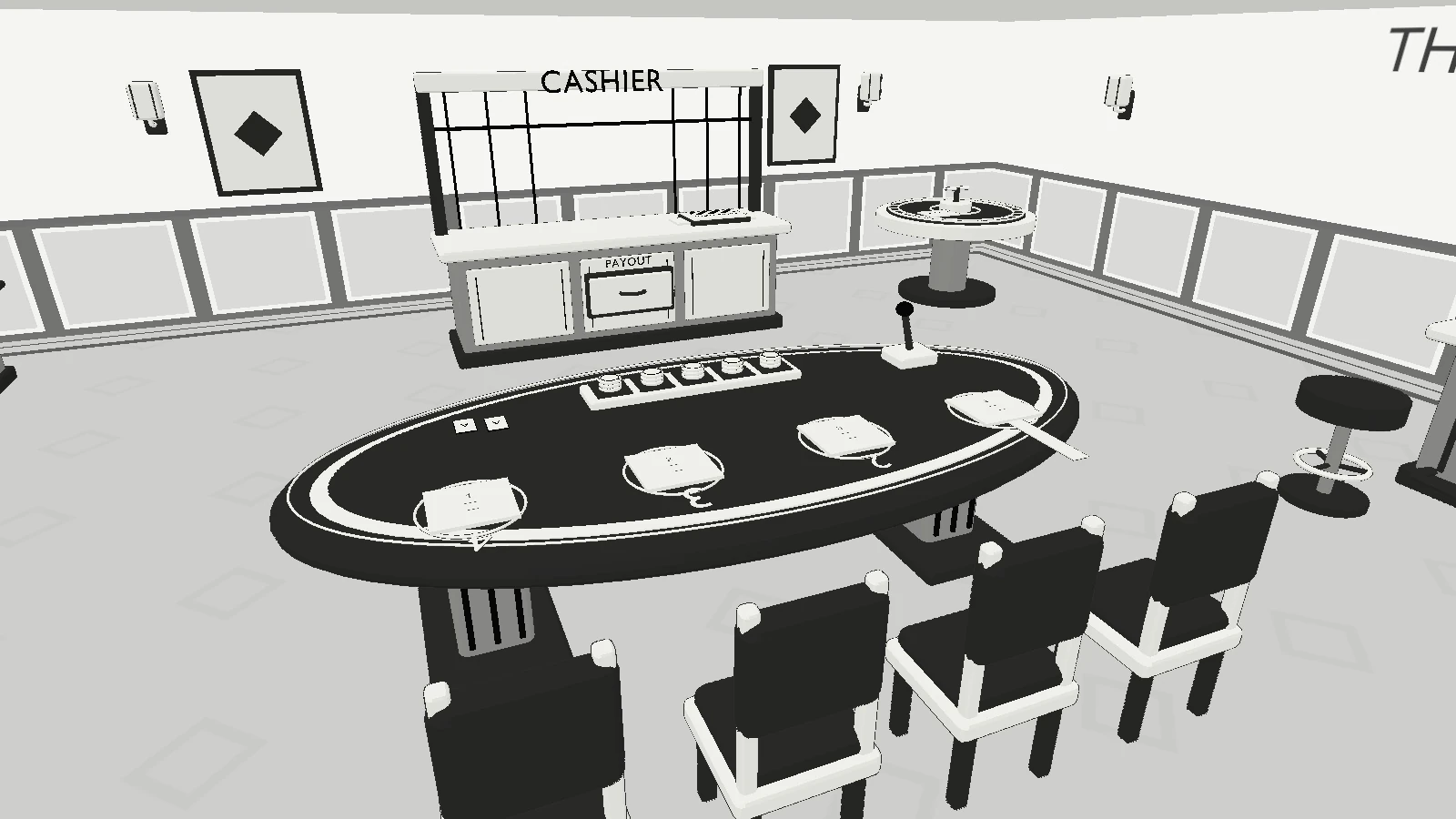
The rooms have distinct identities, from a hotel and fossil museum to a computer cafe, projector studio and casino. Each introduces objects and puzzles tied to its setting. Progress involves looking closely at the surroundings, reading notes and working out how the clues relate to the mechanisms in front of you. The field bag keeps collected items and notes available to revisit as you explore.
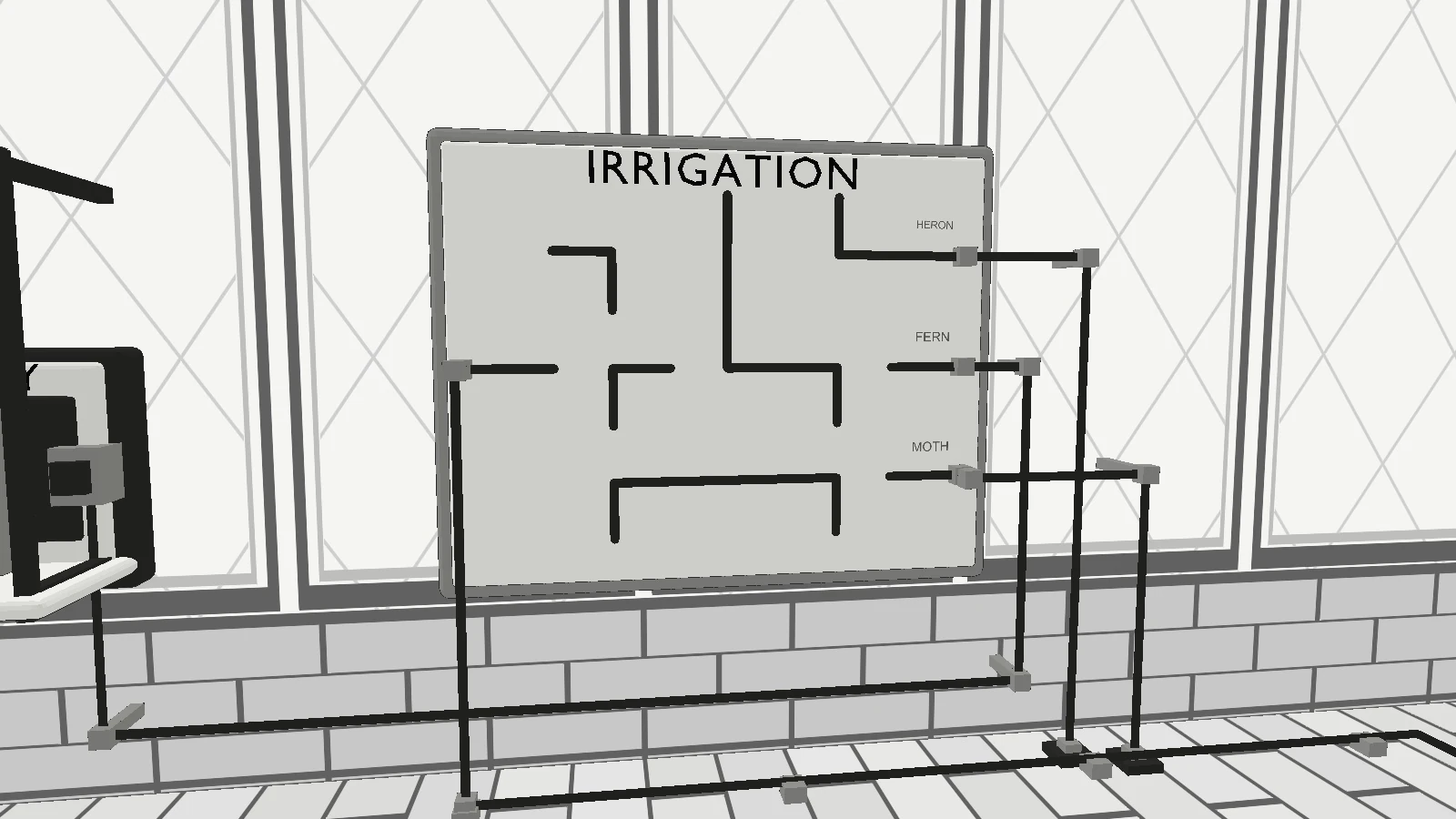
As more rooms become available, the puzzles begin to connect across them. In the later chapter, a missing delivery links a clockmaker, a post office, a conservatory and a maintenance workshop. You repair a clock using gear-ratio clues, compare delivery records to sort parcels, and redirect water through a pipe puzzle to recover a missing recorder drum. Restoring the recorder then reveals the route needed to send a parcel back to the clockmaker.
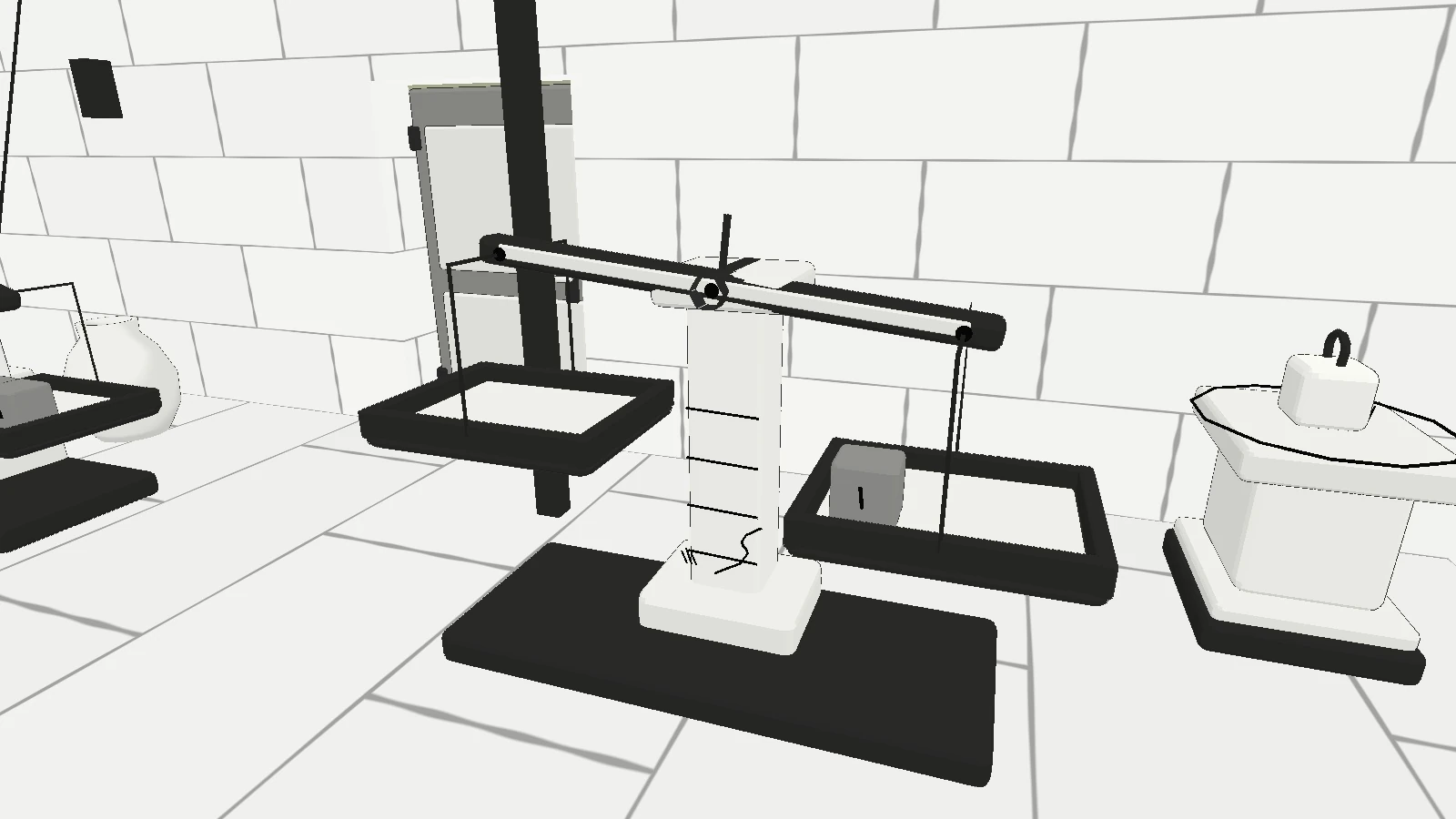
This delivery uses the room-moving mechanic directly. The parcel can only travel when the correct rooms are next to each other, so you have to rearrange the floor plan between stages of its journey. A connection that lets it arrive is not necessarily the connection it needs to leave. The final puzzle brings the larger layout together with the pyramid room's counterweight balances: completing one does not replace the other.
The redesigned game uses monochrome surfaces and ink-like outlines throughout its rooms, objects and menus. My work on the original project focused on puzzle and level design; the later solo redesign kept the room-moving concept while revisiting the puzzles, art style and parts of the code. The current version is playable here in a desktop browser.
Development
Lost in Place began with an idea from a rapid prototyping exercise at university. I wanted to take it further, and we developed the game over six weeks as a team of three. I was the main puzzle designer and level designer.
The later redesign was entirely my own work. Over two weeks, I revisited the game while keeping its original concept intact. This included a complete change of art style, redesigned puzzles, code changes and polish.
Recognition
The university version received multiple nominations at Blacksheep, an event exclusive to our university, and won Best Prototype Game.
Screenshots
Gameplay Video
Trailer music: “Lightless Dawn” by Kevin MacLeod, licensed under CC BY 4.0. Edited excerpt with level adjustments and fades.