Overview
Turnover Conquest is a two-player board game where control of the board changes as pieces are placed. Players take turns filling a seven-space honeycomb grid, trying to finish with more pieces showing their colour. A piece you placed earlier can be captured and turned against you, so an early lead is never secure.
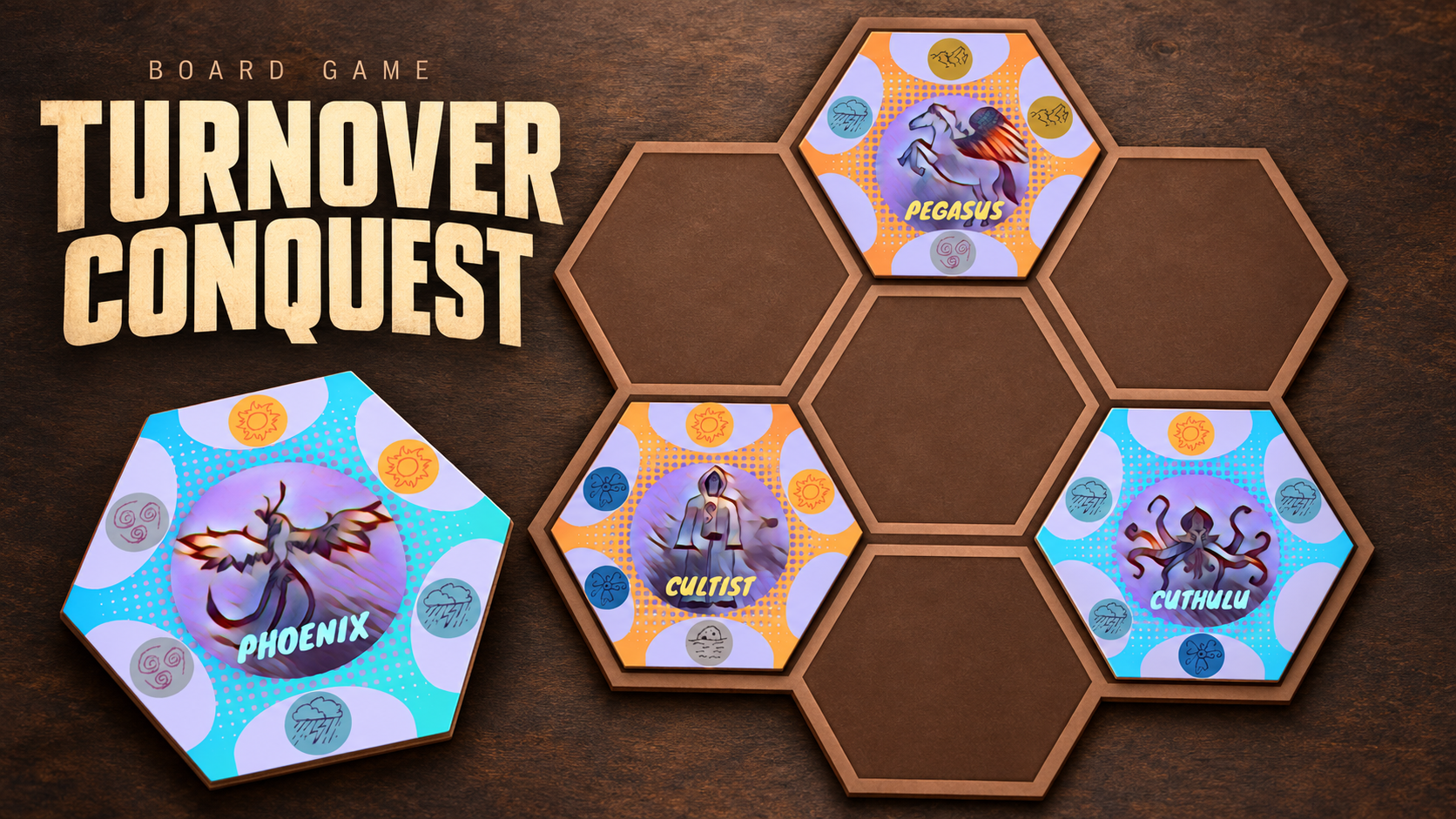
Each hexagonal piece has an element on each of its six edges. When a new piece is placed beside an opponent's, the touching edges are compared using a rock-paper-scissors-style counter system. If the new piece has the winning element on that edge, the neighbouring piece flips to the placing player's colour. A placement can contest several neighbours at once.
The small board makes each position matter. The centre gives a piece contact with more spaces but leaves more edges exposed. An outer space can protect vulnerable sides, though it offers fewer opportunities to capture. Players have to decide whether to take a piece now or hold a useful counter for a later turn.
Players start a round with four pieces each, drawn from a set of nine character designs. Most pieces have fixed combinations of elements; the Jester is an exception, allowing its player to choose one element for all six sides when it is placed. Once the board is full, the player controlling the most pieces wins the round. Matches are played as a best of three.
The characters and elemental symbols follow a dark-fantasy theme, while blue and orange faces show ownership at a glance. The project was developed in under five weeks. My contribution covered the board and card designs, parts of the gameplay, and character concepts.
My Contribution
I came up with the board design and card design, and contributed to the gameplay and characters. The hexagonal format ties these parts together: the board determines which pieces touch, while the elements around each card determine what happens at those connections.
The design work explored how a familiar counter system could create different choices through placement. Rather than removing a captured piece, flipping it keeps it on the board and changes who benefits from it. That makes the same piece part of a continuing contest over the remaining spaces.
Character concepts gave the pieces an identity beyond their elemental combinations. The documents include early sketches, element studies and coloured card faces, showing how the visual direction developed alongside the rules.
Playtesting
The recorded playtest covered twelve rounds across four matches. It tracked who started, round duration, captured pieces, double captures and whether the first piece was placed in the centre.
The starting player won 11 of the 12 recorded rounds, and players opened in the centre in nine rounds. This small sample raised a clear balance concern. The notes also describe capture counts becoming repetitive, with players commonly flipping three or four pieces per round.
The next design proposals were a larger nineteen-space board, terrain pieces and an additional character. These were intended to create more room for decisions and address the starting-player advantage. They are documented next steps, rather than changes presented here as already tested.
Board & Pieces
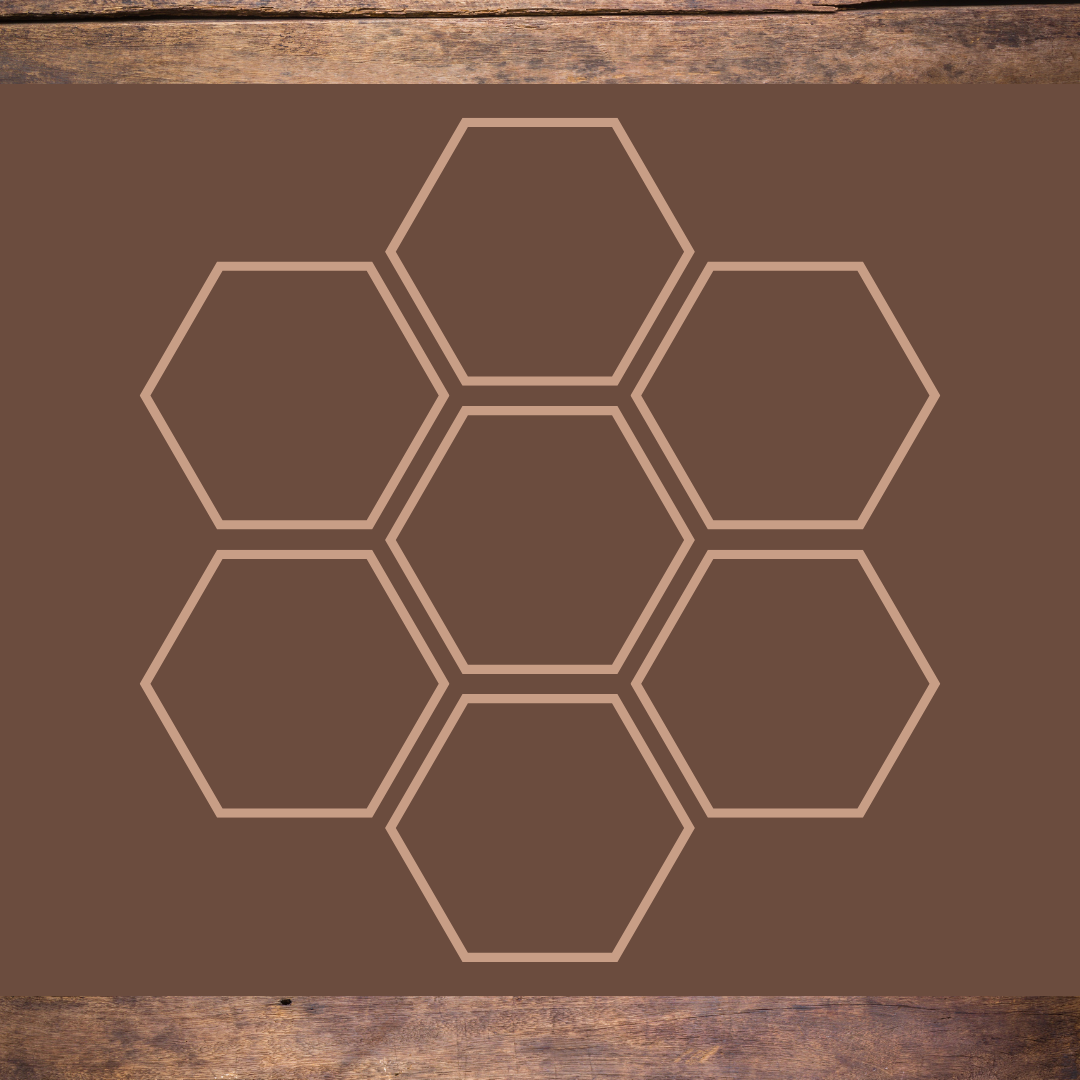

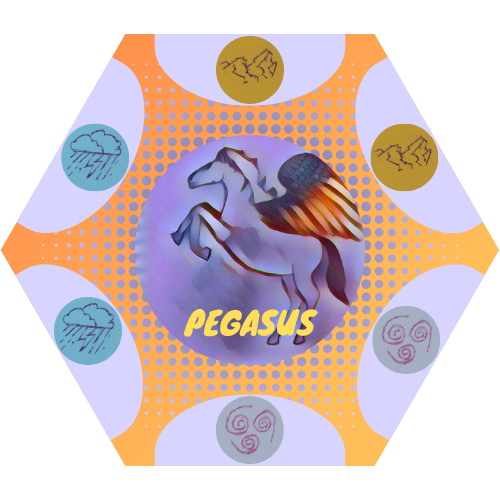


Board diagram, card faces and development sketches from the original project documents.